Good lighting can make a home feel calm, welcoming, and easy to use. The right fixtures do more than brighten a room. They support daily activities, highlight features, and help create a comfortable atmosphere at different times of day.
Choosing lighting can feel overwhelming because there are many fixture styles, bulb types, and brightness levels available. A simple approach is to consider how each room is used, combine several kinds of lighting, and select options that reduce glare. The following tips can help you create a comfortable lighting plan throughout your home.
Start With the Room’s Purpose
Before choosing a lamp or light fixture, think about what happens in the room. A space used for reading needs different lighting from a hallway or dining area.
Ask yourself:
- What activities take place here?
- Where do people sit, work, cook, or move around?
- Does the room need bright light, soft light, or both?
- Are there dark corners or areas that are difficult to use?
For example, a kitchen may need bright lighting for food preparation, while a bedroom often benefits from softer, adjustable light. A living room usually works best with a mix of general lighting, task lighting, and accent lighting.
Use Layers of Light
Comfortable rooms rarely rely on one ceiling fixture alone. Layered lighting combines several types of light so you can adjust the room for different needs.
Ambient lighting
Ambient lighting provides overall illumination. Common examples include ceiling fixtures, recessed lights, chandeliers, and flush-mount lights. This layer should make it easy to move around and see the general layout of the room.
Task lighting
Task lighting is focused on a specific activity. Desk lamps, under-cabinet kitchen lights, reading lamps, and bathroom vanity fixtures are all examples. Place task lighting close to the work area without creating harsh shadows.
Accent lighting
Accent lighting adds visual interest or draws attention to a feature, such as artwork, shelving, plants, or architectural details. Wall sconces, picture lights, and small directional fixtures can provide this extra layer.
Using these layers allows you to turn on only the lighting you need. This can make a room feel more relaxed and may also help reduce unnecessary energy use.
Choose the Right Brightness
Brightness is often described using lumens. Lumens measure the amount of light a bulb produces. A higher lumen rating means a brighter bulb, while a lower rating creates a softer effect.
The ideal brightness depends on the room, fixture, wall color, and activity. A large kitchen with dark cabinets may need more light than a small bedroom with pale walls. Instead of trying to use the brightest bulb available, choose a level that supports the room’s purpose without feeling harsh.
For flexible spaces, consider fixtures with dimming controls. Dimmers let you lower the brightness for relaxing or increase it for cleaning and detailed tasks. Make sure the bulb and dimmer are designed to work together.
Pay Attention to Light Color
Light color is measured in Kelvin, often shown as a number followed by the letter K. Lower numbers generally produce warmer, more golden light. Higher numbers create cooler, whiter light.
As a general guide:
- Warm light, around 2700K to 3000K, works well in bedrooms, living rooms, and dining areas.
- Neutral light, around 3000K to 4000K, can suit kitchens, bathrooms, and home offices.
- Cooler light, above 4000K, may be useful in selected work areas but can feel too sharp in relaxing spaces.
These ranges are flexible rather than strict rules. The finish of the room, amount of natural light, and personal preference also matter. Try to keep the color temperature reasonably consistent within connected spaces so the home does not feel visually uneven.
Reduce Glare and Harsh Shadows
Glare can make lighting uncomfortable, especially when a bright bulb is visible from a seating area, desk, or bed. Choose fixtures that shield the bulb or direct light toward a wall, ceiling, or work surface.
You can also reduce glare by:
- Using lampshades or frosted bulbs.
- Positioning desk and reading lamps beside, rather than directly in front of, the user.
- Avoiding highly reflective surfaces near bright fixtures.
- Using several lower-intensity lights instead of one very bright source.
- Placing lights carefully to prevent reflections on televisions and computer screens.
Shadows are another consideration. A single overhead light can create dark areas under cabinets, shelves, or facial features. Adding side lighting or under-cabinet lighting can make the room feel more balanced.
Match Fixtures to Each Room
Different rooms benefit from different fixture types.
Living room
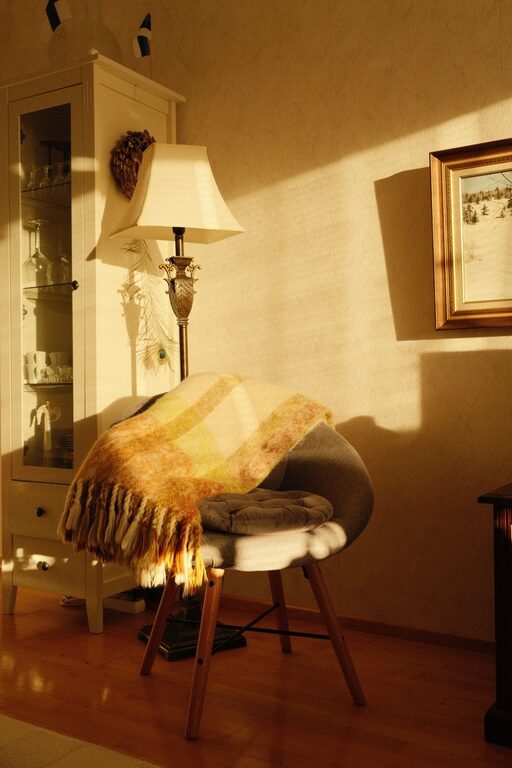
Combine floor lamps, table lamps, wall fixtures, and a central light if needed. Place lamps near seating areas for reading or conversation. Adjustable fixtures can help serve several purposes without adding too many lights.
Kitchen
Focus on clear task lighting. Under-cabinet lights can brighten countertops, while ceiling fixtures provide general illumination. Make sure the light does not fall behind the person working at the counter.
Bedroom
Choose soft, warm lighting with easy-to-reach controls. Bedside lamps or wall-mounted reading lights can provide useful task lighting without requiring a bright ceiling fixture.
Bathroom
Use even lighting around the mirror to reduce shadows. A ceiling light can provide general illumination, while wall fixtures on both sides of a mirror can improve visibility for grooming tasks.
Hallways and stairs
Use enough lighting to make walking safe and comfortable. Wall fixtures, ceiling lights, and motion-activated options can help prevent dark areas, especially near steps and entry points.
Consider Natural Light
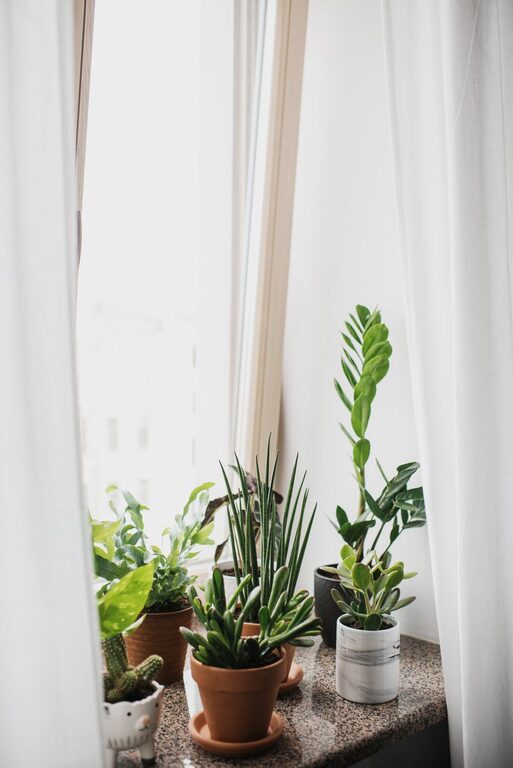
Natural light should be part of your overall lighting plan. Observe how sunlight enters each room during the morning and afternoon. A room that is bright during the day may need only modest artificial lighting, while a darker room may require more consistent illumination.
Window treatments also affect comfort. Sheer curtains can soften strong sunlight, while blinds or shades provide better control. Position lamps so they complement daylight rather than compete with it.
Check Color Quality
Color rendering describes how accurately a light source shows the colors of objects. Bulbs with a higher color rendering rating generally make colors appear more natural. This can be helpful in kitchens, bathrooms, closets, and rooms where artwork or fabric colors matter.
Packaging often lists this information along with brightness and color temperature. If accurate color is important, compare bulbs from reputable manufacturers and follow the product details for the best results.
Think About Controls and Convenience
Comfortable lighting should be easy to control. Place switches where they are convenient to reach, and consider separate controls for different lighting layers. In larger rooms, more than one switch location may be useful.
Smart bulbs and timers can offer additional flexibility, but simple controls are often enough. The most important feature is that the lighting can be adjusted easily for the time of day and the activity taking place.
Test Before Finalizing
Lighting can look different in a store, online image, or product display than it does at home. If possible, test bulbs and fixtures in the actual room. Pay attention to brightness, shadows, reflections, and how the light works with wall colors and furniture.
Start with one fixture or bulb before buying several matching items. A small test can help you avoid creating a room that feels too dim, too cool, or overly bright.
Comfortable home lighting comes from balance. Choose brightness based on the activity, use warm or neutral tones where appropriate, reduce glare, and combine several layers instead of depending on a single fixture. With thoughtful placement and adjustable controls, each room can feel both practical and inviting.
About the Author