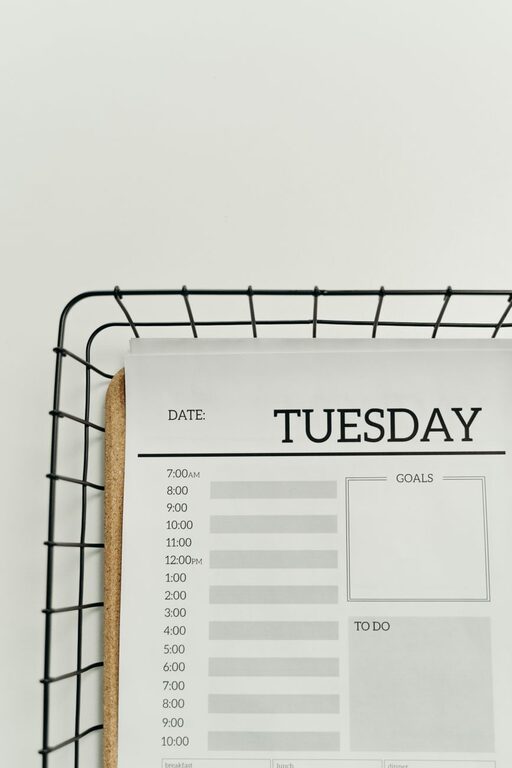
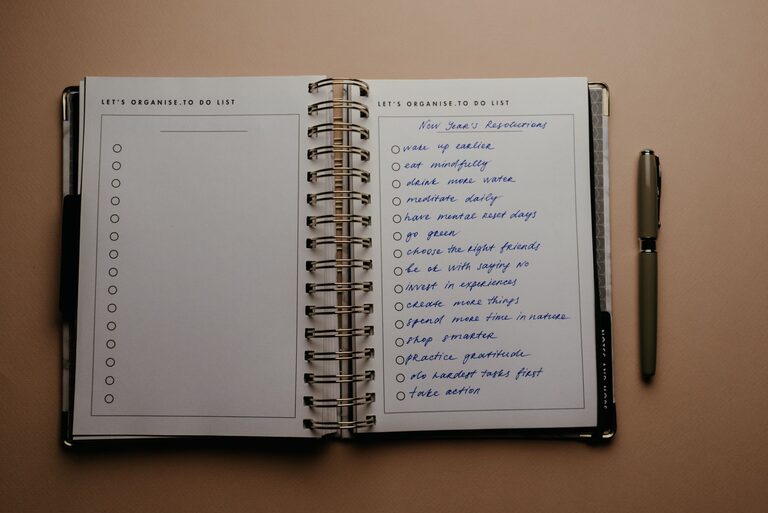
Building a new habit can feel exciting at first. You may start with plenty of motivation, create a detailed plan, and imagine how much better life will feel once the routine becomes automatic. However, motivation naturally changes from day to day. The key to lasting progress is learning how to track habits and stay consistent even when your energy or schedule is less predictable.
Habit tracking gives you a clear view of what you are doing. It helps you notice progress, identify obstacles, and make practical adjustments. With the right approach, tracking does not need to be complicated or time-consuming.
What Is Habit Tracking?
Habit tracking is the process of recording whether you complete a specific action over time. The action might be reading for ten minutes, preparing for the next day, taking a walk, or practicing a skill.
A habit tracker can be:
– A paper calendar
– A notebook or journal
– A checklist
– A spreadsheet
– A habit tracking app
– A simple note on your phone
The tool matters less than using it regularly. The best tracker is one that is easy to access and simple enough to maintain.
Tracking creates a record of your behavior instead of relying on memory. That record can make small improvements easier to see, especially when the results of a habit are not immediate.
Start With One Clear Habit
One common mistake is trying to change too many things at once. A long list of new habits can become difficult to manage, which may lead to frustration and inconsistent results.
Instead, choose one habit to begin with. Make it clear and specific. For example:
– Read for ten minutes after dinner
– Write three sentences each morning
– Put away dishes before going to bed
– Practice a language for five minutes
– Plan tomorrow’s top three tasks
A clear habit answers three questions:
- What will I do?
- When will I do it?
- Where will I do it?
“Exercise more” is unclear because it does not define the action. “Take a ten-minute walk after lunch on weekdays” is easier to understand and track.
Starting small also lowers the effort required. A habit that takes five or ten minutes may seem modest, but repeating it regularly builds a foundation for larger changes.
Choose a Tracking Method You Will Use
Your tracking method should fit your daily life. If you enjoy writing by hand, a notebook or wall calendar may be motivating. If you already use your phone for planning, a digital checklist may be more convenient.
Consider these options:
Paper Calendar
Mark each completed habit with a checkmark, dot, or sticker. A calendar offers a quick visual record and makes patterns easy to notice.
Journal
Use a short daily entry to record what you completed and how it went. This method is useful if you want to include notes about challenges, energy, or timing.
Spreadsheet
A spreadsheet works well for people who enjoy organized records. You can create columns for dates, completion, comments, or weekly totals.
App
An app can provide reminders, charts, and flexible schedules. Choose one with a simple design so that tracking does not become a task of its own.
Whatever method you select, make the tracker visible and convenient. Keep a notebook near your desk, place a calendar where you will see it, or add a shortcut to your phone.
Connect the Habit to an Existing Routine
A new habit is easier to remember when it follows something you already do. This approach is often called habit linking. You use a familiar routine as a reminder for the new behavior.
Examples include:
– After making coffee, review your daily plan
– After brushing your teeth, prepare your clothes for tomorrow
– After lunch, take a short walk
– After turning off your computer, tidy your workspace
– Before opening social media, complete one important task
The existing routine acts as a cue. Over time, the new habit can become a natural part of that sequence.
You can also prepare your surroundings to support the habit. Place a book on your pillow if you want to read at night, keep a notebook beside your keyboard if you want to write, or set out walking shoes near the door.
Focus on Consistency, Not Perfection
Many people stop tracking after missing one day. They may feel that they have broken their progress and need to start over. A more useful approach is to treat missed days as normal.
Consistency does not mean completing a habit perfectly every day. It means returning to the habit after interruptions.
Try using the “never miss twice” guideline. If you miss one planned session, aim to complete the next reasonable opportunity. This keeps a small interruption from becoming a long pause.
It can also help to create a minimum version of your habit. On a busy day, you might:
– Read one page instead of a full chapter
– Write one sentence instead of several paragraphs
– Walk for five minutes instead of thirty
– Organize one small area instead of the entire room
The minimum version keeps the routine connected to your identity and makes it easier to continue.
Review Your Progress Weekly
Daily tracking shows what happened, but a weekly review helps you understand why. Set aside a few minutes at the end of each week to look at your record.
Ask yourself:
– How often did I complete the habit?
– What time or situation worked best?
– What caused me to miss it?
– Was the habit too difficult or too vague?
– What small change would make next week easier?
Keep the review practical rather than judgmental. The purpose is not to criticize yourself. It is to learn from the information your tracker provides.
You may discover that mornings are too rushed, a certain reminder is easy to ignore, or the habit works better when prepared in advance. Use these observations to improve the design of your routine.
Make the Habit Easier to Repeat
Consistency depends partly on reducing friction. Friction is anything that makes a habit harder to start or complete.
To reduce friction:
– Prepare needed materials in advance
– Break the habit into smaller steps
– Choose a convenient time and location
– Remove distractions before beginning
– Set a reminder linked to a specific action
– Keep your first step extremely simple
For example, if you want to practice a creative skill, prepare your workspace before going to bed. If you want to plan your day, keep a short planning template ready to use.
At the same time, make unwanted behaviors slightly less convenient. Move distracting apps away from your home screen, keep tempting items out of immediate reach, or create a separate space for focused work.
Reward Progress in a Simple Way
Immediate rewards can make a habit more satisfying. The reward does not need to be expensive or elaborate. A checkmark, a short break, a favorite playlist, or a few minutes of enjoyable reading may be enough.
You can also track milestones, such as:
– Completing the habit five times
– Maintaining the routine for two weeks
– Finishing a certain number of sessions
– Returning to the habit after a break
Avoid making the reward dependent on perfection. Celebrate showing up, learning, and continuing. The goal is to reinforce the process rather than create pressure.
Keep Your System Flexible
Life changes, and your habit plan may need to change with it. Travel, busy periods, family commitments, or unexpected tasks can affect your schedule. A flexible system is more sustainable than a rigid one.
You might adjust:
– The time of day
– The length of the habit
– The location
– The number of weekly sessions
– The minimum version
Flexibility is not the same as giving up. It means finding a realistic way to continue while circumstances are different.
Build Consistency One Record at a Time
Habit tracking works because it turns an intention into something visible. By choosing one clear habit, using a simple tracking method, and reviewing your progress regularly, you can make consistency easier to practice.
Do not wait for perfect motivation or ideal conditions. Start with a habit that is small enough to repeat, connect it to an existing routine, and focus on returning whenever you miss a day. Over time, each completed entry becomes evidence that you can follow through and improve your routines step by step.
About the Author