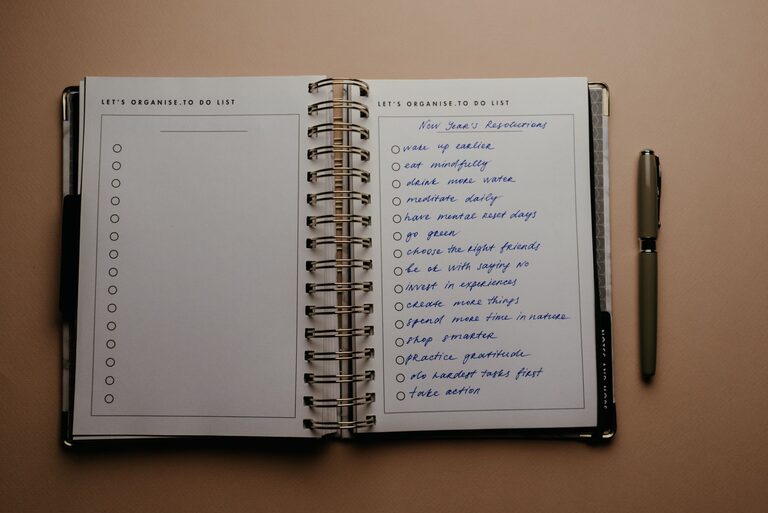
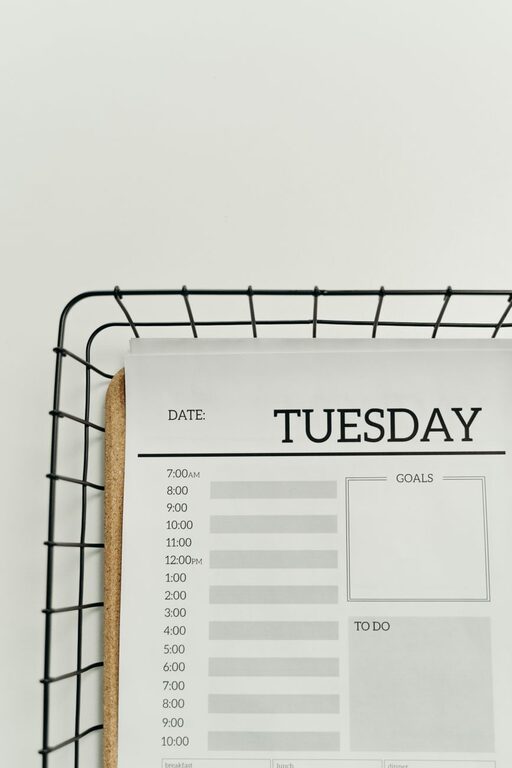
A weekly reset routine is a simple way to close out one week and prepare for the next. It can help you organize your schedule, clear small tasks, refresh your space, and make time for what matters most.
The best routine is not the longest or most detailed one. It is a repeatable process that fits your life. With a few thoughtful steps, you can create a weekly reset that feels useful rather than overwhelming.
What Is a Weekly Reset Routine?
A weekly reset is a regular block of time set aside to review the past week and prepare for the one ahead. Many people complete it on Sunday, but any day can work. The important part is choosing a consistent time that allows you to focus.
A reset routine may include:
– Reviewing your calendar
– Choosing priorities for the week
– Organizing your home or workspace
– Planning meals or errands
– Processing messages and paperwork
– Checking personal goals
– Making time for rest and enjoyable activities
You do not need to include every item. Start with the areas that create the most stress or save you the most time.
Start With a Realistic Time Block
Before creating a checklist, decide how much time you can actually give to the routine. A weekly reset can take 20 minutes or two hours, depending on your needs.
If you have a busy schedule, begin with a short version. For example, set aside 30 minutes to review your calendar, plan your top priorities, and tidy one important area. You can add more steps later if the routine feels manageable.
Choose a time when interruptions are less likely. Some people prefer a quiet Sunday morning, while others find Friday afternoon or Monday morning more practical.
A useful time block should be:
– Long enough to complete the most important tasks
– Short enough to avoid fatigue
– Scheduled at a consistent time
– Flexible when plans change
Treat the routine as a helpful appointment, not a strict test. If you miss a week, simply begin again.
Review the Previous Week
Start by looking back before planning ahead. A brief review helps you understand what worked, what did not, and what still needs attention.
Ask yourself:
– What went well this week?
– What felt difficult or unfinished?
– Which tasks took more time than expected?
– What would I like to do differently next week?
– Is there anything I need to carry forward?
Keep this review simple. You might write a few notes in a notebook or use a digital document. The goal is not to judge your performance. It is to notice patterns and make better choices.
For example, you may discover that several tasks were delayed because they were too vague. Instead of writing “work on project,” you could plan a clearer next step, such as “outline the first section.”
Check Your Calendar
Your calendar is the foundation of your weekly plan. Review appointments, deadlines, events, travel time, and other fixed commitments.
Look for busy days and open periods. This can help you avoid adding too many tasks to a day that is already full.
As you review your calendar, consider:
– Important appointments and deadlines
– Work or school commitments
– Family or social plans
– Travel time
– Regular household responsibilities
– Time needed for rest and personal activities
Add details that are easy to forget, such as preparation time or items you need to bring. A clear calendar reduces surprises and makes your week easier to navigate.
Choose Your Weekly Priorities
A long task list can make the week feel crowded before it begins. Instead, select a small number of priorities.
Your priorities might include:
– One important work or study task
– One household task
– One personal goal
– One relationship or community commitment
Keep the list realistic. Three to five meaningful priorities are often more useful than a long list of minor tasks.
Separate important tasks from optional tasks. If the week becomes busy, complete the essential items first and move the rest forward without treating it as a failure.
When possible, turn broad goals into specific actions. “Get organized” is difficult to measure, while “sort the desk drawer for 15 minutes” gives you a clear starting point.
Refresh Your Space
Your physical environment can affect how easy it feels to begin the week. You do not need to clean your entire home. Focus on the areas you use most.
A quick reset might include:
– Clearing your desk
– Putting away items that are out of place
– Taking out the trash
– Washing dishes
– Changing bed linens
– Refilling everyday supplies
– Preparing clothes or bags for the next day
Set a timer if you tend to spend too long cleaning. Even 10 or 15 minutes can make a noticeable difference.
You can also choose one small area to organize each week. Over time, these short sessions can keep clutter from becoming a larger project.
Plan Meals and Errands
Basic planning can reduce the number of decisions you need to make during the week. You do not have to create a complicated meal plan. Choose a few simple meals and identify any ingredients or supplies you need.
Consider planning:
– A few easy breakfasts
– Simple lunches
– Two or three dinners
– Snacks
– Grocery items
– Household supplies
– Necessary errands
Leave room for flexibility. You may not follow the plan exactly, and that is fine. The purpose is to create useful options, not a strict schedule.
If you have a busy day, plan a meal that requires little preparation. You can also prepare a few ingredients in advance, such as washing produce or cooking a basic grain.
Prepare for Personal Needs
A weekly reset should support more than work and chores. Include activities that help you feel refreshed and connected to your life outside of responsibilities.
Think about scheduling:
– Time outdoors
– Exercise or movement
– Reading
– Creative hobbies
– Time with friends or family
– Quiet time
– A relaxing evening
These activities are easier to protect when they have a place on your calendar. They do not need to be large commitments. A short walk, an hour with a hobby, or an uninterrupted cup of coffee can add balance to the week.
Create a Simple Reset Checklist
Once you know which steps are useful, create a checklist you can repeat. Keep it short enough to use without resistance.
A basic checklist might look like this:
- Review the past week.
- Check the calendar.
- Choose three priorities.
- List errands and household tasks.
- Plan a few meals.
- Tidy one key space.
- Prepare for Monday.
- Schedule rest or enjoyable activities.
Store the checklist where you will see it, such as in a planner, notes app, or printed document. You can adjust it as your schedule and needs change.
Make the Routine Sustainable
The most effective weekly reset is one you can continue. Avoid copying someone else’s routine in full if it does not suit your lifestyle.
To make your routine sustainable:
– Begin with only a few steps.
– Use timers for tasks that tend to expand.
– Keep supplies and planning tools easy to reach.
– Combine tasks when convenient.
– Allow unfinished items to move to another day.
– Review the routine every few weeks.
– Celebrate progress rather than perfection.
A reset routine is a tool, not another source of pressure. Some weeks will require a full reset, while others may only allow time for a calendar review and a quick tidy.
Final Thoughts
Designing a weekly reset routine is about creating a reliable transition between weeks. By reviewing what happened, choosing realistic priorities, and preparing your space and schedule, you can begin the week with more clarity.
Start small and focus on the steps that make the biggest difference. Over time, your routine can become a practical habit that supports organization, flexibility, and a calmer approach to everyday tasks.
About the Author