
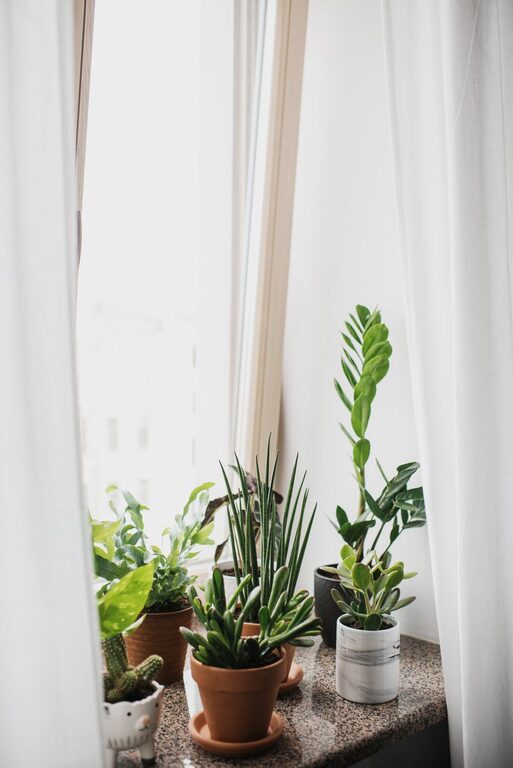
Plants are one of the easiest ways to refresh your home. They can add color, texture, and natural character to a room without requiring a major renovation. Whether you live in a small apartment or a spacious house, a few well-placed plants can make your space feel more inviting and complete.
The key is to choose plants that suit your home, lifestyle, and available light. With the right approach, you can create a green, comfortable environment that is attractive and easy to maintain.
Start by Looking at Your Space
Before buying plants, take a few minutes to study each room. Notice how much natural light comes in, where you have empty surfaces, and which areas could benefit from a touch of color or texture.
Check the Light
Light is one of the most important factors in plant care. Look at your windows throughout the day and consider whether they receive bright, indirect, or limited light.
– Bright light works well for many herbs, succulents, and flowering plants.
– Medium light suits popular houseplants such as pothos, spider plants, and rubber plants.
– Low light can support plants such as snake plants and some varieties of dracaena.
If you are unsure, begin with a plant known for being adaptable. It is usually easier to move a plant to a brighter or darker location than to solve a lighting problem later.
Notice Temperature and Airflow
Most indoor plants prefer steady temperatures. Keep them away from heating vents, air conditioners, drafty doors, and cold windows. Sudden changes in temperature can make it harder for plants to thrive.
Also consider how you use the room. A plant placed in a busy hallway may be bumped often, while one on a quiet shelf may be easier to enjoy and care for.
Choose Plants That Match Your Routine
A beautiful plant is only a good choice if you can care for it comfortably. Think about how often you are home, how much time you want to spend watering, and whether you prefer a simple or varied collection.
Low Maintenance Options
If you want greenery with minimal upkeep, consider plants that generally tolerate occasional missed watering. Snake plants, pothos, zz plants, and cast iron plants are popular choices for beginners.
These plants still need appropriate light and occasional care, but they are often more forgiving than plants with delicate leaves or specific moisture needs.
Plants for a More Lush Look
For a fuller, layered appearance, combine plants with different shapes and growth habits. Upright plants add height, trailing plants soften shelves and cabinets, and compact plants fill small spaces.
You might combine:
– A tall snake plant in a floor container
– A trailing pothos on a bookshelf
– A small peperomia on a side table
– A broad-leaf plant near a bright window
Using several forms creates visual variety while keeping the arrangement balanced.
Refresh Containers and Planters
New containers can make familiar plants feel completely different. If your plants are healthy but your room feels tired, updating the pots may be all you need.
Choose containers that complement your existing decor. Ceramic pots can create a polished look, while woven baskets add warmth and texture. Terracotta works well with relaxed, natural styles, and simple white or black containers suit modern rooms.
Use the Right Size
A container should be large enough for the plant’s roots, but not dramatically larger than the current pot. An oversized container can hold too much moisture, which may create problems for the roots.
Make sure every decorative planter allows excess water to drain. If a container has no drainage hole, use it as a cover pot and keep the plant in a separate nursery pot inside.
Create a Consistent Look
You do not need matching pots throughout your home. However, repeating one or two colors, materials, or shapes can make your plant collection look intentional.
For example, you could use:
– Natural baskets in the living room
– White ceramic pots in the kitchen
– Dark containers in a home office
– Terracotta pots on a sunny windowsill
Style Plants in Layers
Plant styling is more effective when you vary height and placement. Instead of placing every plant on the floor or windowsill, use different levels to create a more dynamic arrangement.
Try placing plants on:
– A low plant stand
– A bookshelf
– A console table
– A kitchen shelf
– A bathroom ledge
– A hanging planter
– A small stool
Group three plants together using different heights and leaf shapes. Odd-numbered groupings often look natural and relaxed. Leave enough space between them so each plant remains visible.
Avoid filling every surface. A little open space helps the plants stand out and keeps the room from feeling crowded.
Bring Greenery Into Unexpected Rooms
Plants are often associated with living rooms, but they can refresh nearly any part of the home.
Kitchen
A kitchen windowsill is a practical location for herbs such as basil, mint, rosemary, and thyme. Use small pots that are easy to move when cleaning or cooking. If your kitchen has limited sunlight, choose a decorative plant that can tolerate the available conditions instead.
Bathroom
Bathrooms can be good locations for plants that enjoy moisture, especially if the room has a window. Consider compact plants on a shelf or a trailing variety placed safely away from water sources.
If the bathroom has little or no natural light, use a realistic artificial plant or rotate living plants from brighter rooms.
Bedroom
A few simple plants can add softness to a bedroom. Choose varieties with shapes and colors that support the calm atmosphere you want. Keep the arrangement uncluttered, especially around bedside tables and walkways.
Home Office
Plants can make a workspace feel more comfortable and less plain. Place a small plant beside your monitor, on a shelf, or in a corner near a window. Choose a container that fits your desk accessories for a coordinated appearance.
Add Texture With Plant Accessories
Plants do not have to be the only natural elements in your design. Combine them with wood, stone, woven materials, and natural-colored textiles to create a warm and layered look.
A wooden stand can add height to a floor plant. A woven basket can soften the appearance of a plastic nursery pot. A small tray can organize several tiny plants while protecting a surface from moisture.
Keep accessories simple. The goal is to support the plants, not hide them.
Build a Simple Care Routine
A consistent care routine helps your plants stay attractive and makes maintenance easier. Once a week, check the soil, leaves, and overall appearance.
Useful habits include:
– Watering only when the soil needs it
– Removing dry or damaged leaves
– Rotating pots so plants grow evenly
– Dusting broad leaves gently
– Checking for pests
– Trimming overgrown stems
– Wiping moisture from nearby surfaces
Avoid watering every plant on the same schedule automatically. Different plants and rooms may have different needs. Check the soil and follow the care instructions for each variety.
Refresh Your Plants With the Seasons
Your home can feel different throughout the year when you change plant placement or add seasonal details. Move plants closer to bright windows during darker months, while protecting them from intense direct sunlight during warmer periods.
You can also refresh the look by changing pot covers, adding a new stand, or introducing a small seasonal plant. Even small updates can make your space feel new without replacing your entire collection.
Create a Home That Feels Like You
Refreshing your home with plants is less about collecting as many varieties as possible and more about choosing pieces that fit your space. Start with one or two suitable plants, place them where they can be seen and cared for, and gradually build from there.
With thoughtful containers, varied heights, and a simple care routine, plants can bring fresh color and natural texture to every room. The result is a home that feels more welcoming, personal, and connected to the outdoors.
About the Author