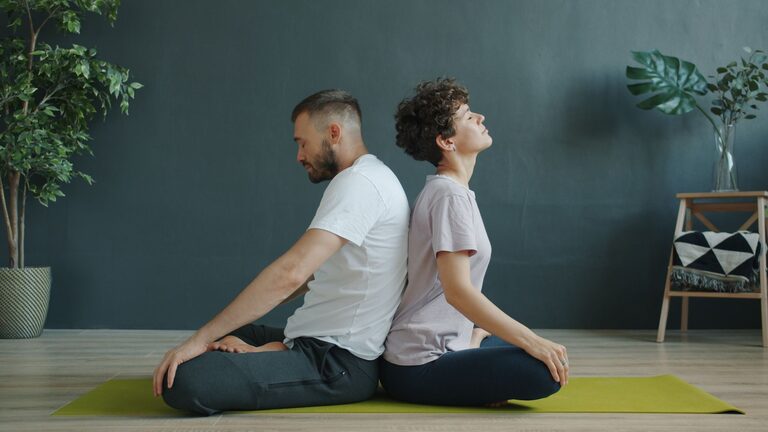
Mindful breathing breaks are simple pauses that bring your attention back to the present moment. Instead of rushing from one task to the next, you take a minute or two to notice your breathing and let your mind settle.
You do not need special equipment, a quiet retreat, or a long meditation session. A mindful breathing break can fit into a workday, a study session, a commute, or a busy afternoon at home. The goal is not to breathe perfectly or empty your mind. It is simply to pause, notice, and begin again.
What Is a Mindful Breathing Break?
A mindful breathing break is a short period of focused attention on your natural breathing. You notice the air moving in and out, the movement of your chest or belly, and the sensations around each breath.
Thoughts will come and go. Sounds may distract you. You may feel restless or forget what you are doing. That is normal. Mindfulness is not about avoiding distractions; it is about gently returning your attention when you notice it has wandered.
Even one minute can create a useful transition between activities.
Why Take Breathing Breaks?
Short pauses can help divide your day into manageable sections. They may make it easier to step away from automatic habits, such as checking your phone repeatedly or moving through tasks without a break.
A breathing break can also help you:
– Refocus before starting an important task
– Create a calm transition between activities
– Notice physical tension in your body
– Slow down during a busy moment
– Practice paying attention to the present
– End a work or study session more deliberately
These breaks are not meant to make every moment feel peaceful. Some days may feel busy or uncomfortable, and that is okay. The practice is the pause itself.
Start With One Minute
Many beginners make the mistake of starting with a goal that feels too large. You do not need to sit for 20 minutes to develop a useful habit. Begin with one minute.
Try this basic practice:
- Sit, stand, or remain in a comfortable position.
- Let your shoulders rest naturally.
- Notice the feeling of your feet on the floor or your body in the chair.
- Pay attention to one natural breath.
- Follow the next breath from the beginning to the end.
- Continue for about one minute.
- When you finish, notice how you feel before returning to your task.
There is no need to force deep breaths. Let your breathing remain comfortable and natural. The main activity is noticing, not controlling.
Choose a Comfortable Place
A mindful breathing break can happen almost anywhere, but your surroundings may affect how easy it is to focus. If possible, choose a place where you can pause without being interrupted.
Good options may include:
– A chair at your desk
– A quiet corner of your home
– A park bench
– Your car before entering a building
– A hallway or break room
– The edge of your bed at the start or end of the day
You can keep your eyes open, lower your gaze, or close them if that feels comfortable. If closing your eyes makes you feel distracted, keep them open and look softly at one spot.
Comfort matters more than perfect posture. Sit or stand in a way that allows you to breathe easily and remain reasonably alert.
Use a Simple Breathing Anchor
An anchor is a place where you rest your attention. For breathing practice, the anchor is usually one of three things:
The Nose
Notice the air moving through your nostrils. You may feel a slight difference between the temperature of the air as you breathe in and out.
The Chest
Observe the gentle rise and fall of your chest. There is no need to make the movement larger.
The Belly
Notice the movement around your abdomen. This area may expand slightly as you breathe in and soften as you breathe out.
Choose the location that feels easiest to notice. If the sensation changes, that is fine. Your job is only to observe what is happening now.
Count Breaths if Your Mind Wanders
Counting can give your attention a simple structure. For example, silently count each comfortable breath from one to five, then begin again at one.
You might use this pattern:
– Breathe in and out naturally.
– Count one.
– Continue through five.
– Start over at one.
If you lose count, do not treat it as a mistake. Simply return to one. The moment you notice that your attention has wandered is part of the practice. You have not failed; you have recognized the distraction and chosen to return.
Connect Breaks to Daily Activities
A routine is easier to maintain when it is connected to something you already do. Rather than waiting for a completely free moment, attach a breathing break to a regular part of your day.
You could pause:
– Before opening your email
– After finishing a meeting
– Before eating lunch
– When you sit down at your desk
– After using the restroom
– Before starting your commute
– When you turn off your computer
– Before beginning your evening routine
A consistent cue helps you remember. Over time, the activity becomes a natural reminder to pause.
Keep the Practice Easy to Repeat
The best breathing break is one you will actually use. Make it simple enough to fit into an ordinary day.
Consider these helpful habits:
– Set a gentle reminder on your phone or computer.
– Keep the first few breaks short.
– Use the same location when convenient.
– Focus on consistency instead of duration.
– Celebrate remembering, even if the break lasts only 30 seconds.
– Return to the practice without judging yourself after a missed day.
Avoid turning the break into another task you must complete perfectly. Mindfulness works best when it feels practical and approachable.
Common Beginner Challenges
“My Mind Is Too Busy”
A busy mind does not mean you are doing the practice incorrectly. Notice the thoughts, then return to the next breath. You may need to repeat this many times.
“I Keep Forgetting”
Use visible reminders. Place a note near your monitor, add a calendar prompt, or connect the pause to a regular activity.
“I Do Not Feel Different”
Not every break will create an obvious change. The value may be in building the habit of noticing and pausing. Focus on completing the practice rather than expecting a particular result.
“I Am Uncomfortable”
Adjust your position, shorten the break, or allow your eyes to remain open. Keep the breathing natural. If the practice feels unpleasant, stop and return to your usual activity.
Try a Three-Minute Breathing Break
When one minute feels familiar, try this simple three-minute version:
Minute One: Arrive
Notice your surroundings and your body. Feel your feet, hands, or the support of the chair. Allow your attention to settle.
Minute Two: Follow the Breath
Focus on the natural rhythm of breathing. Notice each inhale and exhale without trying to change it.
Minute Three: Widen Your Attention
Include the rest of your body, nearby sounds, and the space around you. Then choose one clear next step for your day.
This closing moment can help you move from the pause back into action with intention.
Make Mindful Breathing a Small Daily Ritual
Mindful breathing breaks are most useful when they become ordinary. You do not need to wait for a stressful moment or a perfect setting. A short pause before a routine activity can be enough.
Start with one minute today. Notice one breath, then the next. If your attention wanders, return gently. With regular practice, these small breaks can become dependable reminders to slow down, reconnect with the present, and approach the next part of your day with greater awareness.
About the Author