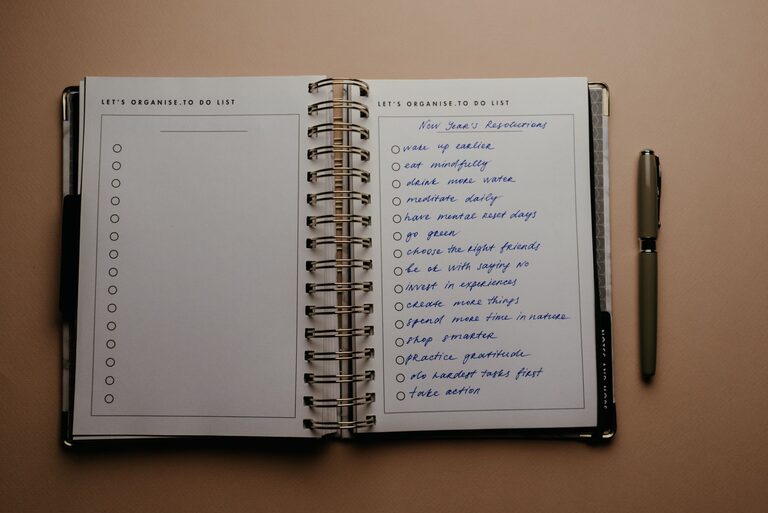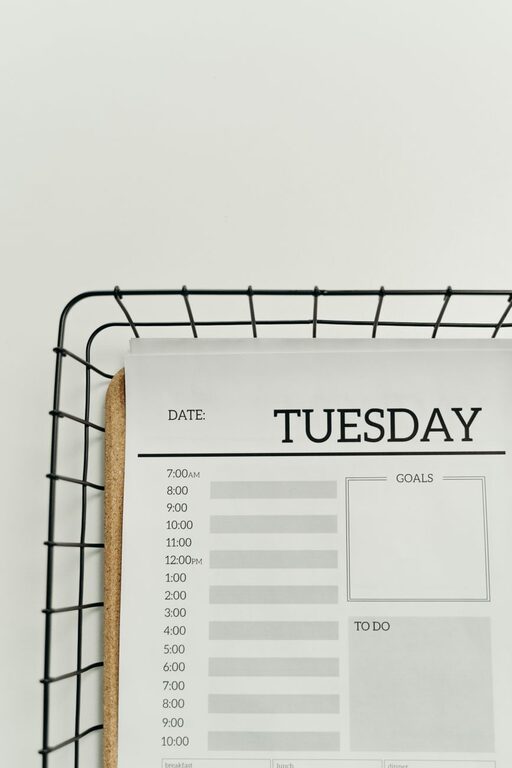

Setting weekly goals can help you make steady progress without feeling overwhelmed. A good weekly plan gives you direction while leaving enough room for unexpected tasks, rest, and changes in priority.
The key is to set goals that are meaningful, specific, and possible within the time and energy you actually have. A long list of ambitious plans may look productive, but a short list of realistic goals is more likely to lead to consistent results.
Why Realistic Weekly Goals Matter
Weekly goals connect your larger plans with your daily actions. They give you a manageable time frame: long enough to make progress, but short enough to review and adjust regularly.
Realistic goals can help you:
– Focus on the tasks that matter most
– Avoid overloading your schedule
– Build confidence through small wins
– Notice problems before they become serious
– Create a steady routine
– Make better use of your time and energy
When goals are unrealistic, it is easy to fall behind and feel discouraged. This often leads to abandoning the plan altogether. Realistic goals, on the other hand, encourage progress without requiring perfection.
Start With Your Bigger Priorities
Before writing your weekly goals, consider what you are trying to accomplish over the next month, season, or year. Your weekly goals should support those broader priorities.
For example, if your larger goal is to improve your writing, a weekly goal might be to draft two articles, read one useful guide, or spend three focused sessions practicing. If your broader goal is to organize your home, a weekly goal might be to clear one room or sort one category of items.
Ask yourself:
– What is most important right now?
– Which larger goal needs attention this week?
– What result would make the week feel worthwhile?
– Are there existing responsibilities I must account for?
You do not need to work on every area of life each week. Choose the priorities that deserve attention now. Trying to improve everything at once usually creates unnecessary pressure.
Choose Three to Five Main Goals
A practical weekly plan often includes three to five main goals. This number is large enough to create progress but small enough to remain manageable.
Your goals can include different types of tasks, such as:
- **A work or study goal:** Complete a report, prepare for a meeting, or review a specific topic.
- **A personal goal:** Call a family member, plan a household task, or spend time on a hobby.
- **A health or wellness goal:** Take regular walks, prepare meals at home, or maintain a consistent bedtime.
- **An administrative goal:** Organize files, respond to important messages, or schedule appointments.
- **A development goal:** Read, practice a skill, or complete part of a course.
Choose only the goals that fit your current responsibilities. If you have a busy week ahead, two or three important goals may be enough.
Turn Vague Ideas Into Clear Actions
A goal is easier to complete when you know exactly what it involves. Vague goals such as “get organized” or “work on my project” can be difficult to start because they do not define the next action.
Turn broad ideas into clear outcomes:
– “Get organized” becomes “Sort the papers on my desk for 30 minutes.”
– “Work on my project” becomes “Write the introduction and outline the next section.”
– “Exercise more” becomes “Take a 25-minute walk on Monday, Wednesday, and Saturday.”
– “Learn a new skill” becomes “Complete the first two lessons and practice for 20 minutes.”
A clear goal should answer three questions:
– What will I do?
– When will I do it?
– How will I know it is complete?
This level of detail reduces uncertainty and makes it easier to begin.
Estimate the Time Honestly
One of the most common planning mistakes is underestimating how long tasks will take. A task that appears to require 30 minutes may take an hour once preparation, interruptions, and cleanup are included.
When estimating time, consider:
– The actual task
– Setup and preparation
– Breaks
– Travel or transitions
– Waiting for information from others
– Possible interruptions
– The time needed to review or correct your work
You can improve your estimates by tracking how long common tasks take. After a few weeks, you will have a clearer understanding of your normal pace.
It also helps to avoid filling every available hour. Leave open space in your schedule for unexpected work, delays, and recovery. A plan with no flexibility is difficult to maintain.
Separate Must Do From Nice to Do
Not every task has the same level of importance. Divide your weekly list into categories such as:
Must Do
These are tasks with firm deadlines, serious consequences, or a strong connection to your main priorities.
Should Do
These tasks are valuable but may be moved if the week becomes unusually busy.
Could Do
These tasks are optional improvements or activities you would like to complete if time allows.
Start by scheduling the “must do” items. Add “should do” tasks only if you have enough capacity. Treat “could do” tasks as bonuses rather than obligations.
This approach protects your most important work and prevents optional tasks from taking over your schedule.
Break Goals Into Smaller Steps
Large goals can feel intimidating when they are written as one major task. Breaking them into smaller steps makes progress more visible and gives you clear starting points.
For example, instead of writing “Prepare a presentation,” list steps such as:
– Confirm the main topic
– Gather supporting information
– Create an outline
– Draft the slides
– Review the presentation
– Practice the delivery
Smaller steps also make it easier to fit tasks into short periods. You may not have time to complete the entire goal in one sitting, but you may have enough time to complete one part.
Schedule Your Goals
Writing goals on a list is useful, but putting them on your calendar makes them more concrete. Assign each important task a day and, when possible, a time.
Consider your natural energy levels. Schedule demanding work when you are usually most alert, and place routine or simple tasks during lower-energy periods.
A weekly schedule might include:
– Monday morning: Plan the week and complete the first project step
– Tuesday afternoon: Handle administrative tasks
– Wednesday evening: Practice a skill or exercise
– Thursday morning: Continue focused project work
– Friday afternoon: Review progress and finish urgent items
– Weekend: Complete personal tasks and prepare for the next week
Avoid scheduling every minute. Use blocks of time instead, and leave space between activities when possible.
Plan for Obstacles
Even a well-designed week can be interrupted. Meetings may run late, tasks may take longer than expected, or your energy may be lower than usual.
Before the week begins, identify possible obstacles and create simple alternatives.
For example:
– If you cannot complete a 60-minute task, do a 20-minute version.
– If you miss a planned workout, take a short walk later.
– If you lack the information needed for a task, work on another step.
– If the week becomes too busy, postpone lower-priority goals.
A backup plan keeps one setback from affecting the entire week. Flexibility is not a sign that your plan failed; it is part of realistic planning.
Review Your Progress at the End of the Week
Set aside 10 to 15 minutes at the end of the week to review what happened. This process helps you improve future plans instead of repeating the same mistakes.
Ask yourself:
– Which goals did I complete?
– What progress did I make on unfinished goals?
– What took longer than expected?
– What unexpected tasks appeared?
– Which activities gave me the most value?
– What should I continue, change, or remove next week?
Do not use the review to criticize yourself. Use it to gather information. An unfinished goal may mean that the estimate was too small, the priority was unclear, or the task needed to be broken into better steps.
Keep Improving Your Method
Your first weekly plan may not be perfect, and it does not need to be. The goal is to create a planning system that becomes more useful over time.
Start with a simple process:
- Identify your top priorities.
- Choose three to five main goals.
- Define the next actions.
- Estimate the time required.
- Schedule the most important tasks.
- Leave room for changes.
- Review the week and adjust.
Realistic weekly goals are less about doing everything and more about doing the right things consistently. By choosing clear priorities, working within your actual limits, and reviewing your progress regularly, you can build a planning habit that supports steady progress without unnecessary stress.
About the Author