Seasonal clothing can quickly take over closets, drawers, and spare rooms. Bulky coats in summer and lightweight clothes in winter use valuable space when they are not needed. With a simple storage system, you can protect your clothes, reduce clutter, and make seasonal changes easier.
The best approach combines careful cleaning, thoughtful sorting, suitable containers, and clear labeling. You do not need an expensive storage system. A few sturdy containers and a consistent routine can make a noticeable difference.
Start With a Seasonal Clothing Review
Before packing anything away, review what you own. Seasonal storage is a good opportunity to remove items that no longer fit, are damaged, or have not been worn in a long time.
Create four groups:
– Keep: Clothes you wear regularly and want to use again.
– Repair: Items that need buttons, stitching, or other minor fixes.
– Donate or give away: Clean, wearable clothes you no longer need.
– Recycle or discard: Items that are badly damaged or no longer suitable for use.
Be honest during this process. Storing clothes you never wear takes up space and makes future organizing more difficult. If you are unsure about an item, consider whether you wore it during the last season and whether you expect to wear it next year.
Clean Clothes Before Storage
Always clean clothes before storing them, even if they appear to be fresh. Small amounts of sweat, body oil, food, or perfume can create stains and odors over time. Clean clothing is also less attractive to insects.
Follow the care label for each item. Wash or dry-clean clothes as recommended, and make sure everything is completely dry before packing. Even slight moisture can lead to musty odors or mildew in a sealed container.
Pay special attention to:
– Coats and jackets
– Sweaters and knitwear
– Scarves, gloves, and hats
– Formal clothing
– Shoes and boots
– Children’s clothing
Allow freshly washed items to air-dry fully before storing them. Avoid packing clothes immediately after removing them from a dryer if they still feel warm or damp.
Choose the Right Storage Containers
The best container depends on the type of clothing and the storage location. Avoid using thin cardboard boxes for long-term storage in areas that may become damp. Cardboard can absorb moisture and may not provide enough protection from dust.
Useful options include:
Plastic Storage Bins
Plastic bins with secure lids are practical for most folded clothes. Choose clear bins when possible so you can see the contents without opening every container. If you prefer opaque bins, use large labels on at least two sides.
Do not overfill bins. Clothes need some room so they are not crushed, and an overfilled container may be difficult to lift or close properly.
Fabric Storage Bags
Breathable fabric bags work well for sweaters, blankets, and other items that benefit from airflow. They are especially useful for storing clothes on closet shelves or under a bed.
Choose strong, washable bags with zippers. Avoid placing fabric bags directly on a basement or garage floor, where they may be exposed to dust or moisture.
Garment Bags
Use breathable garment bags for suits, dresses, coats, and other items that are best kept hanging. Avoid sealing natural fabrics in airtight plastic garment bags for long periods, as they may need airflow.
Make sure the clothing is clean and dry before hanging it. Use a sturdy hanger that supports the shape of the garment.
Fold Clothes Carefully
Fold clothing along natural seams to reduce wrinkles. Heavy items should generally be placed at the bottom of a container, while lighter items can go on top.
For sweaters and knitwear, folding is usually better than hanging. Hangers can stretch the shoulders and create unwanted shapes. Fold these items loosely and avoid placing too much weight on them.
Try the following packing method:
- Place heavier folded items at the bottom.
- Add lighter tops and accessories above them.
- Keep delicate pieces in a separate cotton pillowcase or fabric bag.
- Leave a little space at the top of the container.
- Close the lid without compressing the contents.
Packing similar items together makes it easier to find what you need later. For example, keep winter sweaters in one bin, cold-weather accessories in another, and special-occasion clothing in a separate garment bag.
Protect Delicate and Special Fabrics
Different fabrics need different care. Wool, cashmere, silk, leather, and fur-like materials may require extra attention.
For delicate clothing:
– Follow the care label carefully.
– Use breathable storage instead of tightly sealed plastic when appropriate.
– Keep delicate items away from direct sunlight.
– Avoid folding silk in sharp, repeated creases.
– Store leather items in a cool, dry place away from heat.
– Use padded hangers for garments that need to keep their shape.
Do not rely on strong fragrances to protect clothes. Scented products can leave marks or make fabrics smell unpleasant. If you use a storage product, choose one designed for clothing and follow its instructions.
Store Shoes and Boots Separately
Shoes should be cleaned and dried before storage. Remove dirt from soles and wipe the outside according to the material. Allow shoes to air out fully before placing them in a box or bag.
To help shoes keep their shape:
– Fill boots with rolled towels or boot supports.
– Use tissue paper for structured shoes.
– Store pairs together.
– Keep shoes away from damp areas.
– Label boxes with the shoe type or take a photo of the contents.
Avoid storing shoes in tightly packed piles. Pressure can bend them, and poor airflow may lead to odors.
Label Every Container
Clear labels save time when the seasons change. Write the general contents on each container, such as “Summer Tops,” “Winter Accessories,” or “Holiday Clothing.”
For a more detailed system, include:
– Clothing type
– Size range
– Family member’s name
– Storage year
– Special care notes
Place labels where they are easy to see, especially if containers are stacked. You can also keep a simple inventory on your phone or in a notebook. This is helpful when you have several bins stored in different locations.
Select a Suitable Storage Location
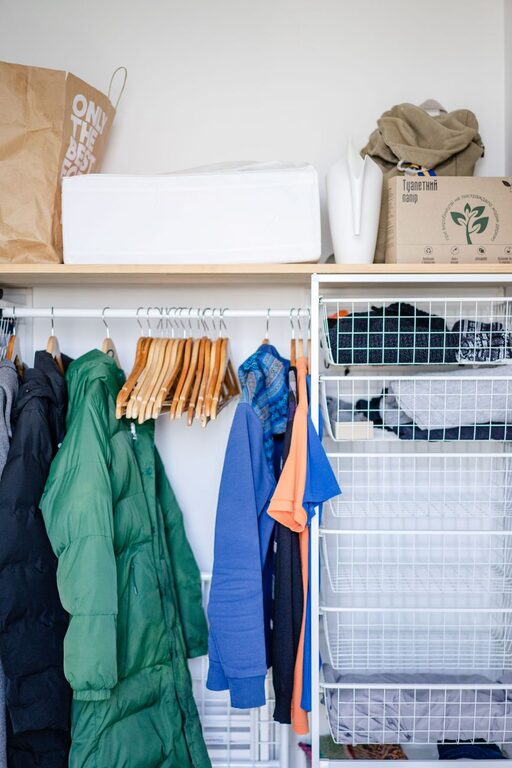
Store seasonal clothes in a cool, dry, and reasonably stable environment. A closet shelf, under-bed area, or interior storage room is often better than an attic, basement, or garage.
Avoid locations that are exposed to:
– Direct sunlight
– High humidity
– Extreme heat or cold
– Water leaks
– Dust and pests
– Heavy objects that could crush containers
If you must use a basement or attic, place containers on shelves or raised platforms rather than directly on the floor. Leave some space around them for airflow and easier inspection.
Refresh Your Storage Routine
When the season changes, inspect stored clothes before putting them back into regular use. Look for odors, stains, moisture, or signs of damage. Air out items that have been stored for several months, and clean anything that needs attention.
This is also a good time to repeat the sorting process. A seasonal review prevents unwanted clothing from moving from one storage cycle to the next.
Set aside a few minutes to update labels, repair damaged items, and adjust your system if a container was difficult to access. The best storage method is one that fits your household and remains easy to maintain.
A Simple Seasonal Storage Checklist
Use this checklist each time you rotate your wardrobe:
– Review clothes and remove items you no longer need.
– Repair or donate clothing before storage.
– Wash or clean every item.
– Dry clothes completely.
– Fold or hang items according to the fabric.
– Choose breathable, sturdy containers.
– Store shoes clean and dry.
– Label containers clearly.
– Keep storage away from moisture and sunlight.
– Inspect clothes when the next season begins.
With a little planning, seasonal clothing storage can become a quick and manageable routine. Clean clothes, suitable containers, and clear labels will help protect your wardrobe while keeping your home more organized throughout the year.
About the Author