Starting a skincare routine does not have to mean buying a shelf full of products. A simple routine with a few well-chosen basics can help your skin feel clean, comfortable, and cared for. The key is to focus on consistency, use products in the right order, and give your routine time to become a habit.
Whether you are completely new to skincare or want to simplify your current routine, the steps below can help you create an easy plan.
Start With the Basics
A basic skincare routine usually includes three main steps:
- Cleanse
- Moisturize
- Protect your skin during the day
These steps are enough for many people. Additional products, such as serums or exfoliants, are optional and should be added slowly rather than all at once.
A simple routine is often easier to follow than a complicated one. It also makes it easier to notice how your skin responds to each product.
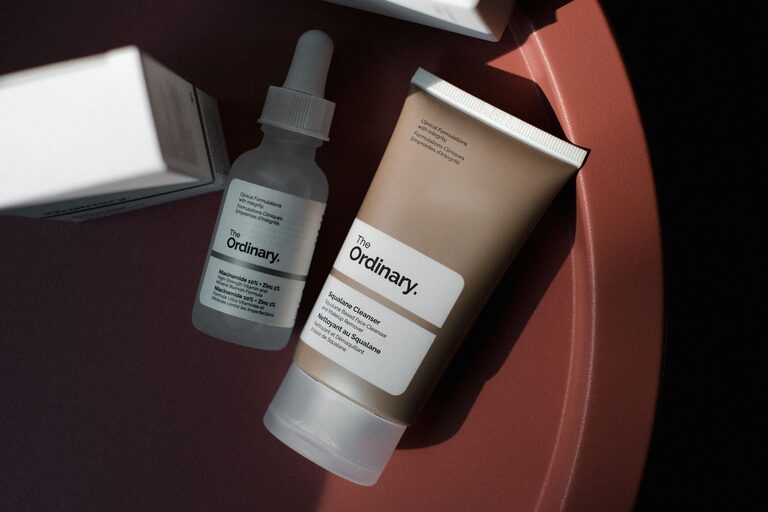
Step One: Choose a Gentle Cleanser
Cleansing removes daily buildup such as sweat, excess oil, makeup, and traces of sunscreen. A gentle cleanser can help your skin feel fresh without leaving it tight or uncomfortable.
What to Look For
Choose a cleanser based on how your skin usually feels:
– Normal skin may do well with a mild, balanced cleanser.
– Dry or tight-feeling skin may prefer a creamy or lotion-style cleanser.
– Oily skin may feel more comfortable with a lightweight gel cleanser.
– Combination skin may benefit from a gentle cleanser that does not over-dry the cheeks.
– Sensitive-feeling skin may do best with a simple, fragrance-free formula.
You do not need a cleanser that creates a lot of foam to get clean. Avoid scrubbing hard, using very hot water, or washing repeatedly. These habits may leave your skin feeling dry or irritated.
How to Cleanse
Wet your face with lukewarm water, apply a small amount of cleanser, and gently massage it over your skin with clean fingertips. Rinse thoroughly and pat dry with a soft towel instead of rubbing.
Most people can cleanse in the morning and evening. If your skin feels dry or uncomfortable, you may prefer using cleanser only at night and rinsing with water in the morning.
Step Two: Use a Moisturizer
Moisturizer helps keep skin feeling smooth and comfortable. It can also help reduce the dry, tight feeling that sometimes follows cleansing.
Choosing the Right Texture
Moisturizers come in several textures:
– Lotions are lightweight and easy to spread.
– Creams are richer and may suit dry skin.
– Gels often feel light and refreshing.
– Ointment-style products are thicker and designed for very dry areas.
Look for a formula that feels comfortable and fits your daily routine. If you plan to wear makeup, a lighter moisturizer may sit more easily underneath it. At night, you may prefer something richer.
Apply moisturizer while your skin is slightly damp. This can make it easier to spread and may help your skin feel more comfortable after cleansing.
Step Three: Add Daytime Sun Protection
During the day, use a broad-spectrum sunscreen with an SPF of 30 or higher. Sun protection is an important part of a basic skincare routine, even on days that feel cool or cloudy.
Apply sunscreen as the final step in your morning routine, after moisturizer. Use enough to cover exposed areas, including your face, ears, neck, and other uncovered skin. Reapply as directed on the product label, especially when spending extended time outdoors, swimming, or sweating.
You can choose a separate sunscreen or a moisturizer that includes sunscreen. A dedicated sunscreen may be easier to use when you want reliable coverage or spend a lot of time outside.
Optional Products to Consider
Once you are comfortable with cleansing, moisturizing, and daytime sun protection, you may decide to add one optional product. The best choice depends on your personal preferences and skincare goals.
Serum
Serums are lightweight products designed to deliver specific ingredients. They may be used for goals such as adding hydration or improving the look of uneven texture. If you try one, apply it after cleansing and before moisturizer.
Start with one serum at a time. Using several new products together makes it difficult to tell which one works well for you.
Exfoliant
Exfoliants help remove some surface buildup and can leave skin feeling smoother. They may be physical, such as scrubs, or chemical, such as formulas containing exfoliating acids.
Use exfoliants sparingly, especially when you are new to skincare. Avoid rough scrubbing and do not use multiple exfoliating products at the same time. If your skin feels stinging, unusually dry, or uncomfortable, stop using the product.
Makeup Remover
If you wear makeup or water-resistant sunscreen, you may want to use a makeup remover or cleansing balm before your regular cleanser at night. This is sometimes called double cleansing. It is optional, but it can make evening cleansing easier.
The Correct Product Order
Using products in the right order helps keep your routine simple:
Morning
- Cleanser or water rinse
- Optional serum
- Moisturizer
- Sunscreen
- Makeup remover, if needed
- Cleanser
- Optional serum or treatment
- Moisturizer
Evening
Apply thinner products before thicker ones. Allow each product a short moment to settle before applying the next step, especially if the products feel wet or slippery.
How to Introduce New Products
Avoid changing your entire routine at once. Instead, add one new product and use it consistently for a while before introducing another.
Before applying a new product to your face, test a small amount on a limited area of skin according to the product directions. This can help you decide whether the formula feels comfortable for you.
Pay attention to how your skin feels. Mild changes may be normal when trying something new, but ongoing discomfort, strong redness, swelling, or a rash is a reason to stop using the product and seek advice from a qualified professional.
Common Skincare Mistakes to Avoid
A few simple habits can make your routine easier and more comfortable:
– Do not use too many products at once.
– Avoid harsh scrubbing and very hot water.
– Do not skip moisturizer just because your skin feels oily.
– Check product expiration dates and storage instructions.
– Wash your hands before applying skincare.
– Clean makeup tools regularly.
– Be patient; consistent routines take time to become familiar.
– Choose products based on your skin’s comfort rather than trends.
Keep Your Routine Consistent
The best skincare routine is one you can maintain. Store your products where you will see them, such as near your bathroom sink, and keep the number of steps manageable.
A basic routine can be as simple as cleanser, moisturizer, and sunscreen. Once those habits feel natural, you can decide whether an optional product is worth adding. Focus on gentle application, regular use, and products that make your skin feel comfortable.
About the Author